The Transformation of Sliding Doors: From Classic to Contemporary Styles
The progression of sliding doors highlights a remarkable change in design and functionality throughout the centuries. From decorative wooden frameworks in historic castles to sleek, modern glass installations, these doors have adapted to shifting styles and innovations. This evolution embodies broader design trends and material advancements. Grasping this development can guide decisions for modern spaces and elevate everyday living, prompting a closer look at how these elements can redefine the concept of home.
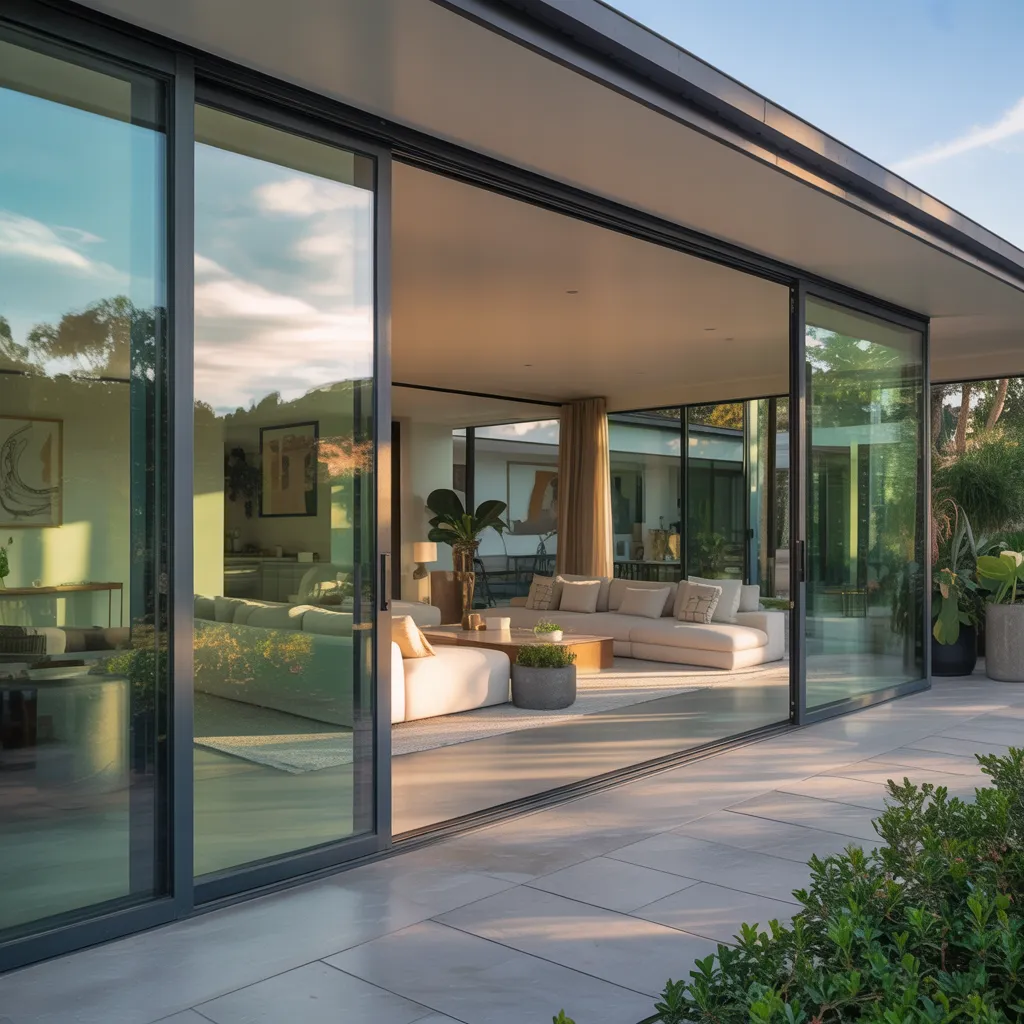
Modern Innovations in Sliding Door Technology
Sliding door technology has seen considerable evolution, improving both performance and visual appeal. Current advancements concentrate on refining user experience through superior materials and engineering. Advanced glass solutions, such as high-performance variants, deliver enhanced insulation and UV shielding, supporting energy conservation while optimizing natural light intake. Moreover, smart system integration facilitates automated sliding mechanisms, often controlled via smartphone apps, enhancing convenience.
In addition, contemporary sliding doors employ refined, modern frames that complement diverse architectural styles, making them ideal for homes and businesses alike. Improved tracks and roller systems guarantee more seamless operation, limiting long-term wear and tear. Customization options, including a wide selection of finishes and colors, allow homeowners to customize doors to match their preferences.
These innovations not only elevate the visual attractiveness of areas but also provide longevity and performance, signaling a move toward contemporary lifestyles that values both aesthetics and functionality in the design of sliding doors.
The History and Evolution of Sliding Doors
While frequently linked to contemporary design, the history of sliding doors stretches back millennia. Ancient cultures, such as the people of China and Japan, built sliding doors known as “shoji” and “fusuma,” utilizing lightweight materials like rice paper and wood. Such designs enabled versatile room arrangements and effortless transitions between indoor and outdoor spaces.
In the Roman Empire, sliding mechanisms were refined and improved, mainly for the convenience of public spaces. The utilization of doors designed to slide open rather than swing, proved practical in densely populated areas.
Throughout the Medieval period, sliding doors reappeared in European architecture, commonly used as aesthetic additions in grand homes and castles. By the 19th century, the Industrial Revolution facilitated the mass production of sliding doors, resulting in their integration into both residential and commercial properties. This fascinating progression demonstrates the lasting popularity and practical benefits of sliding doors across different cultures and eras.
Past and Present Sliding Door Materials: A Comparison
With the evolution of architectural styles, so too did the materials chosen for sliding doors, showcasing progress in technology and design trends. Historically, sliding doors were primarily crafted from wood, leveraging its inherent beauty and widespread availability. Nevertheless, wood's tendency to warp and weather over time led to a pursuit of more resilient alternatives.
In modern design trends, options such as aluminum, fiberglass, and composite alternatives have risen in prominence. Aluminum delivers a sleek, modern aesthetic while providing excellent durability and resistance to corrosion. Fiberglass, by contrast, combines energy efficiency with the look of wood, needing reduced maintenance and exhibiting better weather resistance. Moreover, glass has established itself as a notable choice, facilitating effortless indoor-outdoor connections and optimizing natural light intake.
This evolution in materials reflects a move toward utility and sustainable practices, giving homeowners the ability to consider alternatives that align with both aesthetic desires and functional needs.
Picking Classic Sliding Door Options for Your Home
Classic sliding door styles offer a lasting elegance, seamlessly integrating with a wide range of home aesthetics. Frequently made from natural wood, these doors exude warmth and elegance, rendering them ideal for a variety of interior styles from rustic to modern. Sought-after options encompass the iconic barn-inspired door, which captures a countryside aesthetic, alongside the pocket door, perfect for saving space without compromising on timeless style.
Selecting glass panel options can improve natural lighting and create an open atmosphere, making them ideal for bridging interior and exterior spaces. In addition, decorative hardware, such as vintage handles and copyrights, can elevate the presentation classic look, introducing exceptional character to the residence.
When picking out classic sliding doors, property owners should evaluate color schemes and architectural elements to maintain consistency throughout their home. Through selecting classic styles, residents can create a cohesive and inviting environment that honors both utility and design excellence.
How to Choose the Perfect Sliding Door for Your Space
Picking the right sliding door involves careful assessment of both materials and appearance. Durability is critical, as the selected material should handle daily use while complementing the overall aesthetic. Matching the sliding door's style with current design elements establishes a unified look that improves the room.
Material Selection For Enhanced Durability
Durability plays a vital role when choosing sliding doors, as the right material can greatly influence durability and functionality. Popular material options include wood, fiberglass, aluminum, and vinyl, all of which offer their own notable benefits. Wood provides aesthetic appeal though it may need routine care to prevent distortion. Fiberglass stands out for its robustness and ability to withstand the elements, rendering it a great option across different climates. Aluminum offers a modern look and is lightweight, although it has a tendency to conduct temperature extremes. Vinyl requires minimal upkeep and promotes energy efficiency, making it a preferred option for home installations. When selecting a sliding door, consider environmental exposure and usage frequency to guarantee the chosen material meets durability needs while complementing functional requirements.
Style Matching With Décor
Selecting the perfect sliding door can considerably elevate the general aesthetic of a space. To accomplish style harmony, one must take into account the current interior style and structural design. For contemporary settings, refined, clean-lined designs with materials like glass or metal enhance modern furnishings. In contrast, conventional spaces are enhanced by wooden doors displaying intricate details or elegant finishes. Hue also plays a vital role; doors should either harmonize or stand out boldly with adjacent walls, furniture, and accessories. For diverse interiors, eye-catching patterns or unconventional textures can serve as statement pieces. At the core of it all, the chosen sliding door should not only operate smoothly but also resonate with the overall design vision of the room, creating a unified and appealing atmosphere.
How Contemporary Sliding Doors Improve Indoor-Outdoor Living
Contemporary sliding doors significantly improve indoor-outdoor living by effortlessly connecting indoor areas with the surrounding environment. These large-scale glass installations offer clear, uninterrupted vistas, enabling natural light to pour into interior spaces while creating a visual connection to outdoor landscapes. In contemporary designs, slender frames expand glass coverage, creating a sense of greater space and openness.
Function is another important consideration; numerous sliding doors glide effortlessly, permitting unrestricted flow between indoor and outdoor environments. This characteristic promotes a more adaptable way of living, enabling social gatherings and routine tasks in a cohesive environment. Furthermore, contemporary materials provide enhanced insulation and protection, maintaining ease and safety without detracting from overall appearance.
Landscaping elements and outdoor furnishings can be thoughtfully unified, creating a cohesive environment that enhances relaxation and social interaction. At their core, modern sliding doors not only improve the architectural beauty of a home but also foster a lifestyle that welcomes the natural world and open-space living.

Common Questions and Answers
What Is the Typical Price Range for Sliding Door Installation?
The standard costs of sliding door installation usually fall from $1,000 to $2,500, based on materials, dimensions, and installation requirements. Homeowners need to factor in supplementary expenses like hardware and any necessary structural modifications.
How Can I Maintain Sliding Doors Over Time?
Routine upkeep of sliding doors requires cleaning tracks, lubricating rollers, checking seals for wear, and adjusting alignment. Confirming proper function requires routine evaluations to avoid debris accumulation and guarantee smooth operation over time.
Can Sliding Doors Be Regarded as Energy-Efficient Alternatives?
Sliding doors have the potential to be energy-saving, especially when equipped with dual or triple glazing. Appropriate fitting and weather stripping boost their effectiveness, decreasing heat loss and making them a smart selection for environmentally conscious homeowners.
Is It Possible to Customize Sliding Doors for Unique Spaces?
Sliding doors can indeed be customized to fit unique spaces. Numerous materials, sizes, and designs provide personalized options, ensuring they meet both aesthetic and functional requirements, elevating the general attractiveness of any space.
What Safety Features Should I Consider for Sliding Doors?
When selecting sliding doors, one should consider features like tempered glass for impact resistance, strong lock hardware to keep intruders out, anti-lift track systems to prevent forced removal, and safety sensors to avoid accidental closures.